The Building Blocks of Health Systems
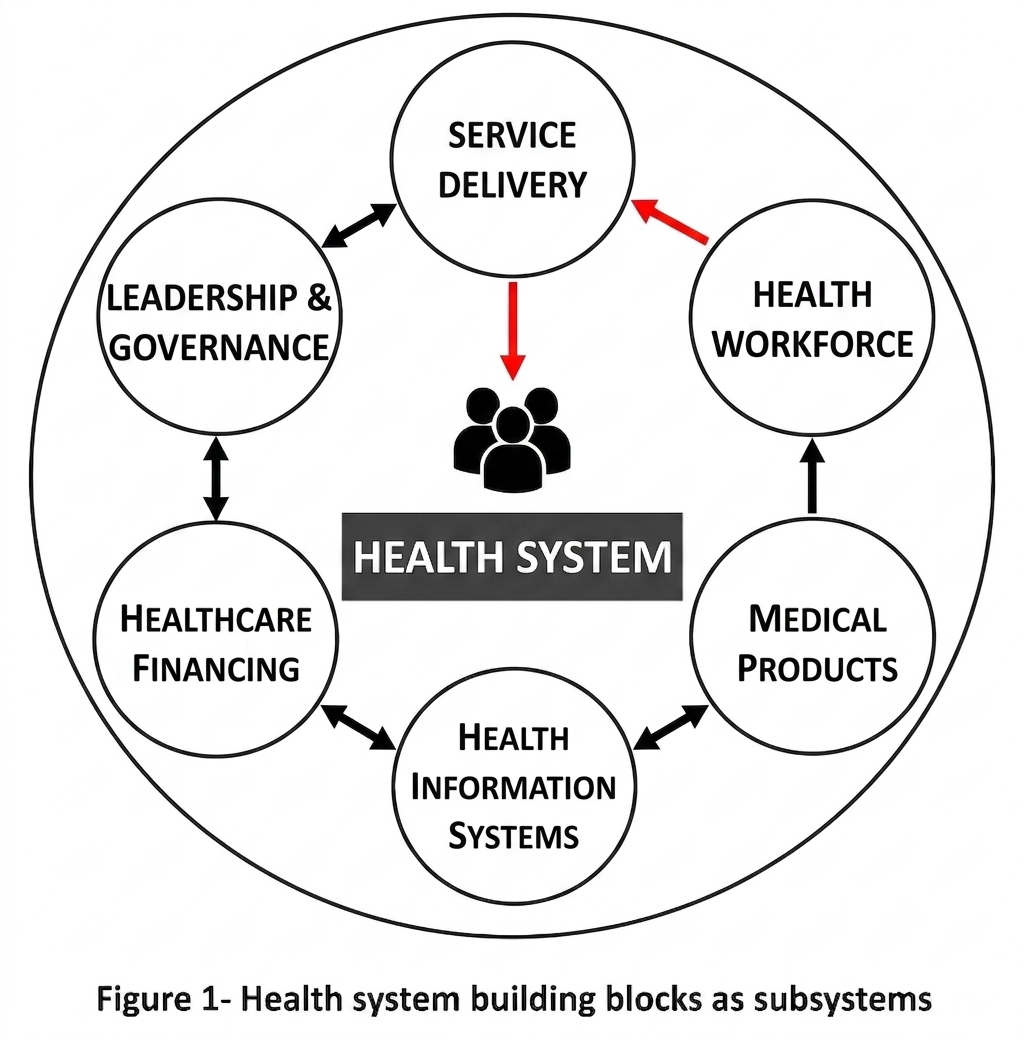
What exactly are health systems? The World Health Organization defines health systems through six building blocks: service delivery, health workforce, health information systems, access to essential medicines, financing, and leadership and governance. These blocks are interdependent, and if one is weak, the entire system is compromised. Think of them as literal building blocks: if a wall is unstable, it is only a matter of time before the whole structure collapses.
I recall a time when physiotherapists advocated for a larger workforce in hospitals. The effort stalled because workforce expansion is driven by guidelines, and there were none to support the request. This illustrates how each block feeds into the others. This interconnectedness is what makes health systems both complex and fragile. A weakness in one block reverberates across the others. Guidelines without a workforce are ineffective. Without service delivery protocols, no one will think to screen for functional impairments after a rape case.
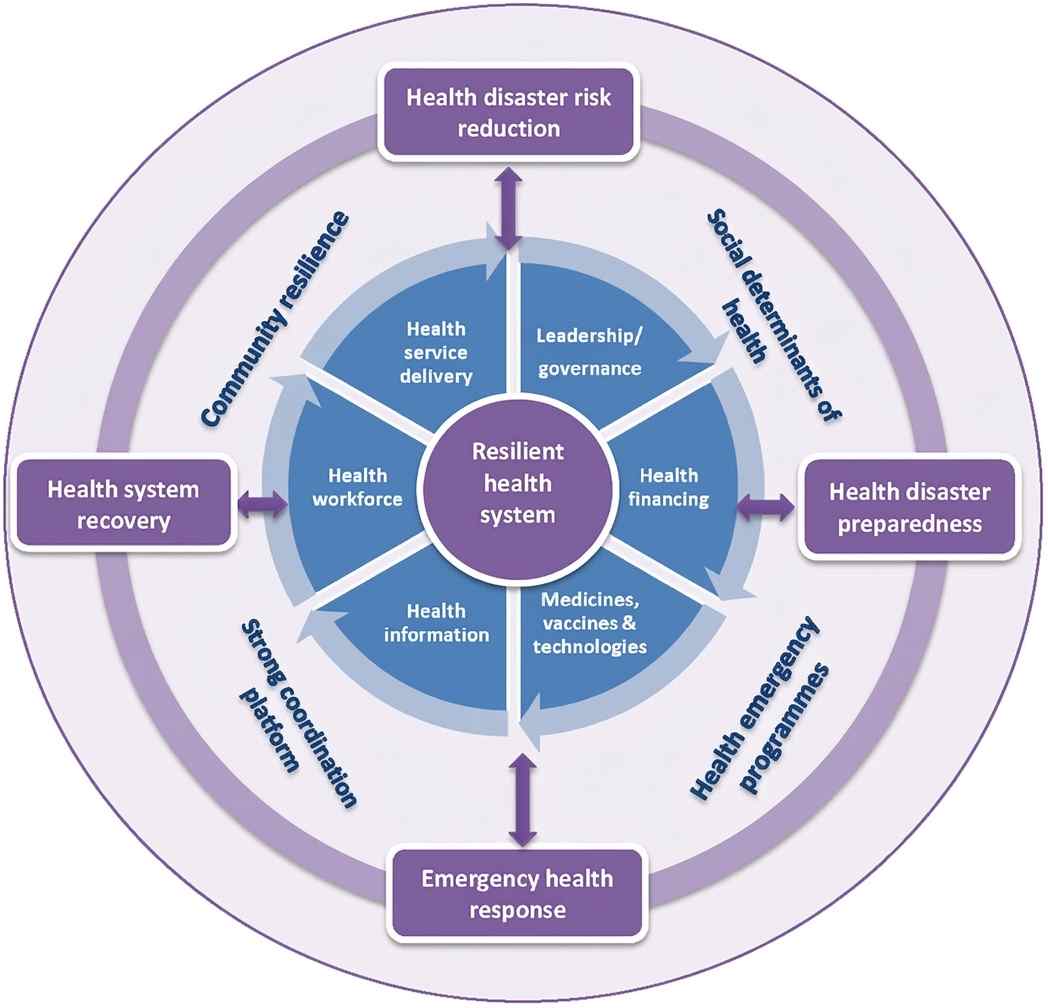
But a workforce without financing is unsustainable. Financing without governance risks misallocation. Information systems without service delivery data are incomplete. Each block depends on the others to function, and together they determine whether patients receive not only care, but quality care.
When we talk about systemic issues, we must resist the temptation to focus on a single block. Strengthening one in isolation will not solve the problem. True resilience comes from addressing all six, ensuring they work in harmony. Good maternal outcomes, for example, require more than skilled clinicians — they demand integrated systems where rehabilitation, screening, financing, and governance are aligned to deliver both survival and quality of life.
From the Cepha Insights Desk