From Reactive Purchasing to Smart Healthcare Coordination: The Future of Medical Supply Chains in Africa
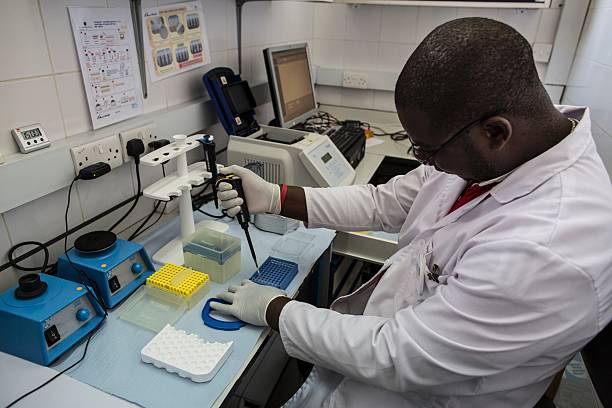
Across Africa, healthcare systems are under increasing pressure to deliver better outcomes with limited resources. Populations are growing, disease patterns are evolving, and the demand for quality healthcare continues to rise.
At the same time, healthcare providers are expected to do more with constrained budgets, complex procurement processes and supply chains that remain vulnerable to global disruptions. It is in this environment that every decision matters.
For decades, medical product sourcing has largely been reactive. A hospital identifies a shortage, procurement teams begin contacting suppliers, quotations are requested, and availability is confirmed through a series of phone calls, emails and messaging platforms. While these processes have served healthcare institutions for many years, they are often time-consuming and heavily dependent on individual relationships rather than connected systems.
The challenge is not a lack of commitment from healthcare professionals. Procurement officers, pharmacists, laboratory managers and suppliers work tirelessly to keep essential products moving. The challenge is that the systems supporting them have not evolved at the same pace as the demands placed upon them.
Healthcare today generates more information than ever before, yet much of that information remains fragmented. Product catalogues exist in different formats, supplier information is scattered across multiple channels, and organizations often make important purchasing decisions without complete visibility of the broader market.
Due to this, valuable time is spent searching for information instead of using it.
Across the world, healthcare supply chains are beginning to move beyond this reactive model. Digital coordination is enabling organizations to identify suppliers more quickly, improve communication, strengthen planning and make better-informed decisions. Rather than replacing procurement, these tools support procurement teams by making reliable information more accessible when it is needed most.
For African healthcare systems, this shift represents more than a technological upgrade. It is an opportunity to leapfrog traditional models and build supply networks that are more connected, transparent and resilient.
Imagine a healthcare ecosystem where authorized providers can quickly discover trusted suppliers, compare available products, identify suitable alternatives and communicate through a shared digital environment. Imagine suppliers gaining greater visibility into genuine market demand while healthcare facilities spend less time searching and more time focusing on patient care.
This vision is no longer theoretical. Across the continent, governments, development partners and private innovators are investing in digital health infrastructure, supply chain visibility and data-driven decision-making. These efforts recognize that information is just as important as inventory in building resilient healthcare systems. Technology alone, however, is not the solution.
Digital platforms succeed only when they strengthen collaboration between people. Trust, transparency and shared purpose remain at the heart of every effective healthcare system. The role of technology is simply to remove unnecessary barriers so that healthcare providers and suppliers can work together more efficiently.
"At Cepha, this belief shapes our vision for the future."
We see healthcare coordination as the next frontier in strengthening access to medical products across Africa. Our goal is not to replace existing procurement systems, but to complement them by improving visibility, simplifying communication and helping healthcare organizations make informed decisions with greater confidence.
The future of healthcare supply chains will not be defined solely by larger warehouses or faster transport. It will also be defined by stronger connections, between hospitals and suppliers, between data and decision-makers, and ultimately between healthcare systems and the patients they serve.
Africa has an opportunity to build healthcare supply chains that are not only stronger, but smarter. By embracing better coordination alongside continued investment in procurement, logistics and local manufacturing, we can create systems that respond more quickly, use resources more effectively and improve access to essential healthcare products.
The future of healthcare coordination is already taking shape. The question is not whether healthcare systems will become more connected, but how quickly we choose to build those connections.
From the Cepha Insights Desk